SPOTLIGHT: The Soundtracks of Queer Media
WRITTEN BY NALIJAH DANIELS
✮ ⋆ ˚。𖦹 ⋆。°✩
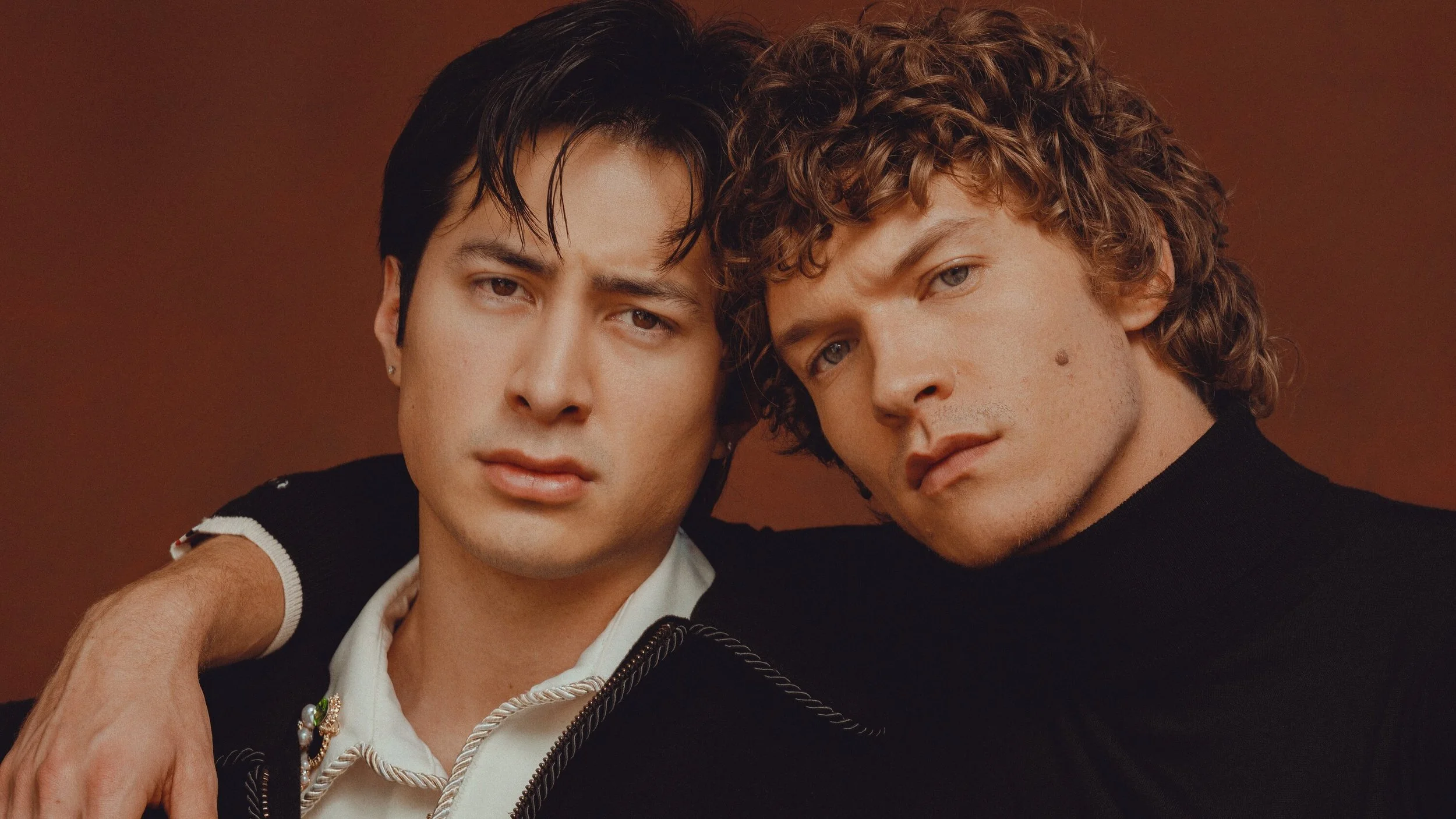
Photo from NY Times
There used to be an era when queer youth never saw themselves on the big screen. Despite the setbacks in progress our society has faced recently, queer media continues to prevail, and our screens become more colorful. In the age of streaming, LGBTQIA+ film and TV are at our fingertips, but that also means their soundtracks can grace our ears whenever we want.
The soundtracks of queer media are incredibly impactful. They add depth, allow a larger audience to empathize with marginalized voices, and carry the themes far past the few scenes they were overlaid on.
The day the Heated Rivalry soundtrack was released, a coworker talked about it at the end of a meeting. It was clear that the music was more than just background noise to the plot. It was what viewers begged for after their fourth or fifth rewatch in under a month, a way to take the exciting romance and anxious lust with them.
It’s not just any romance, though. It’s two male hockey players falling rapidly in love while weighing the repercussions of being caught in an industry that uses a homophobic slur as its favorite insult. When viewers see perseverance for the sake of queer love, they can’t help but see themselves or see hope, and want to hang on to that. The music that drives the story is a way to remember those warm feelings while grocery shopping or dancing at the club.
Viewers can thank the creators’ intentionality, who understand that the sonic experience is as important as the visual experience. Jacob Tierney, director of Heated Rivalry, curated songs that fit a queer story, rather than making the queer story fit into heteronormative Top 100 tracks.
The soundtrack makes audiences feel seen and heard. They understood a familiar emotion in a new light, which is rewarding when the source material is so fun. Emotions run high, but in a way that younger generations could relate to. With Summer 2016’s tenth anniversary upon us, young adults yearn for electronic dance music like the cold open track “Rivalry” by Peter Peter. My ears had perked up, and I’m sure I said to my friend, “They made this song for me.” With EDM having a strong presence in queer club culture, fans felt represented. This is the music I dance to.
It allowed for more substance to build community on. No longer were fans retelling each other what they all watched the night before; they were reliving it by dissecting and repurposing scenes and extracting even more meaning by closely studying the soundtrack. The needle drops became riddles that, when solved, revealed true intentions as if they were easter eggs, and not beloved antiques from Tierney’s youth.
“I’ll Believe in Anything” by Wolf Parade, in which the singer is desperately reaching out to the person they love, highlights the season’s climax. Scott Hunter makes history by kissing Kip Grady on the hockey championship ice, after going through weeks of mental turmoil, unsure of when he’d be able to broadcast his true self. The 20-year-old song gained a 2,600 percent increase in global streams after the show aired. It’s the most openly gay moment of the season, celebrated by the fictional world. Viewers can hold onto that triumph forever. They get to hold onto the queer love story forever.
Luca Guadagnino is another standout director for his music choices in the 2017 hit Call Me By Your Name. The score is another layer to understanding the slow-burning relationship, which is integral to the often vague dialogue and patchy time jumps.
For Pride Month, AMC Theatres put the Italian summer-set movie back on the big screen, allowing me to see it for the first time. The ever-changing piano snippets gave the audience insight into 17-year-old Elio’s brain as he navigates his crush on 24-year-old graduate student, Oliver.
One of Elio’s proclaimed summer activities is transcribing music, so we get to be in his mind as he does it. We become aware that the film is told through his eyes as the classical genre expands with each emotion Elio experiences. Guadagnino said himself that the music is “a conversation between Elio’s inner and outer self” (Chan, 2018). Elio would repeat phrases to himself, unsure of his choice of words, just as he might repeat a phrase from his sheet music on the keys until he perfected it.
The piano sounded anxious when an important conversation drew near with rapid note changes. There was a light and airy tune when he daydreamed about an interaction while cruising on his bike. There was an excited crescendo when they kissed.
Since this sonic detail puts us in Elio’s shoes, some viewers may notice that we’re set inside the infatuation and not much else. The scenes cut between when Elio is with Oliver, or when he sees him pass by the window, or when he’s doing an activity, even if it’s rendezvousing with the French girl that he invited to Italy, and we assume he’s thinking of Oliver.
The most iconic song from the film, “Mystery of Love” by Sufjan Stevens, was created for the film but has transcended beyond Elio and Oliver ever since. It was nominated for an Academy Award for Best Original Song, but more importantly, it has become an anthem for beautiful and complex love. I covered my mouth in the theatre, prepared to be devastated by the scenes to come, when the first few chords played. I already knew the song from its popularity detached from the film.
Neither Tierney nor Gudagnino treated the soundtrack as an afterthought or a method for filling a corporate quota. The plots don’t have the same meaning without the music. Many songs are recognizable for their representation of overlooked experiences. “Chick Habit” by April March in But I’m a Cheerleader. Nearly anything that graced the music stands of Glee. “Starburned and Unkissed” by Carolina Polachek for I Saw The TV Glow. Even the theme for Orange is the New Black, “You’ve Got Time” by Regina Spektor.
Now, artists want to be on the official album because they know the reach is unlike ever before. Miley Cyrus was on board to make music for Heated Rivalry Season 2 without ever seeing it, but knowing its popularity. I wonder if Tierney will stray from his ways to include such a well-known name. Artists may try the same with Guadagnino, but he’s known for doing the reaching out himself. Whichever method they use to craft an auditory experience, they know it will impact the right audience. If they do it well, even more eyes will be on queer voices.