REVIEW: Run Up to and Reach Out for the ‘little white house (on a hill)’
WRITTEN BY EITAN OHANA
✮ ⋆ ˚。𖦹 ⋆。°✩
Orange Dog Club’s debut album is a tale of missing the memories but not the time
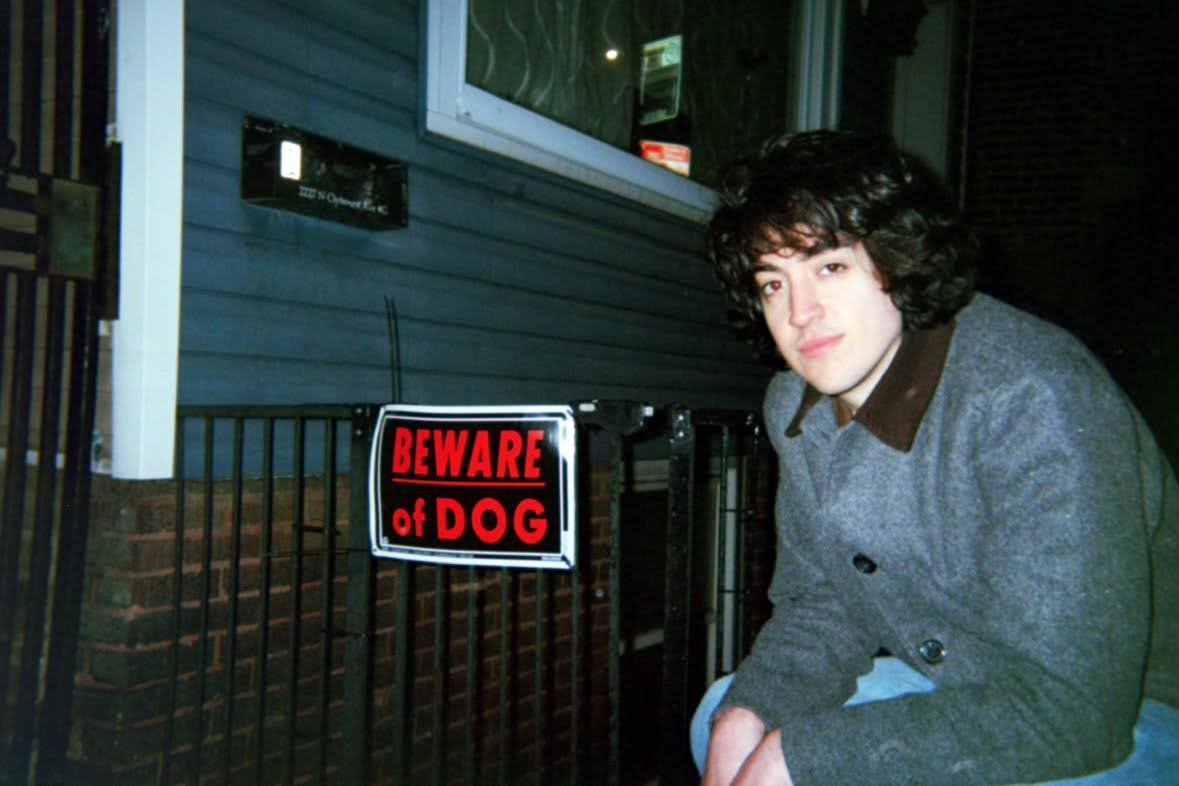
In 2024, Tim Turner was studying abroad in Italy, living at an olive production site. He notes that he was not, in fact, involved in the olive production. There, the idea was born for little white house (on a hill), Orange Dog Club’s, his band’s, latest album. But much has changed since the record’s conception that opened the doors for its completion.
“Truthfully, a lot of what happened in my life has to do with the people around me,” Turner says.
His band added a drummer, Matt Reesor (the only other performer who appears on the album). Then more additions come, and he meets Brandon Schmitt, who has a home studio, which Turner credits largely for being able to record the album.
“Otherwise, we would’ve had to spend exorbitant amounts of money at some studio in Buffalo,” he quips on the logistical aspect of making music.
What resulted is a record that sounds so familiar but devastatingly far, a piece of nostalgia that you can’t quite put your finger on. ‘Where did I hear this before?’ you ask yourself as the eight tracks pass by in a frozen-in-time 35 minutes. It plays the way it feels to watch Before Sunrise, as Jesse and Celine, in a 100-minute movie, experience a night that’ll last a lifetime.
“I think that every time I make a song I am trying to capture something akin to nostalgia… It’s hard to describe but you definitely know when it’s sitting in your chest,” Turner says. “I’ve always wanted to make people feel sad. The first time someone told me they cried to something I made, I remember running around my apartment in glee.”
Contrary to popular belief, sometimes you don’t have to take a step back to see the full picture, and this is one of those cases. It’s when you sink into the songs, individually, that the full picture starts to form. You hear the story start with “dorm girl” and its plea to a girl and God. Then, as the album progresses, those pleas turn into desperation, which turns into anger and release, and eventually moving on to the next.
At the center of it all is that nameless girl: the muse, the ghost you’re chasing but maybe never want to get back to. Is this girl real, though? Or rather, is she literal?
“The whole thesis of the record is that the little white house isn’t real. There isn’t really a heaven on earth,” he says. “All the things I thought I wanted didn’t really fix anything.”
Maybe that’s where the sad nostalgia is born out of, the false promises we make ourselves in service of pushing forward. To be so vulnerable on a first record is both no small feat and also the most innate of human emotions.
The craziest thing is that, as Turner tells it, most of this wasn’t even planned. The album came together as it was being recorded, without the overlying concept that appears on the finished product.
“Making [this album] was so haphazard I couldn’t pretend it was intentional. A month before it came out, we had to pick the order for the songs, so I bought the band pizza and we sat down to figure it out,” Turner remarks plainly as if anything else would be unexpected.
It’s the type of turn of luck that makes you wonder if perhaps the little white house actually is real. On the penultimate song, “had it comin,” there’s an ending scream that feels like the emotional finale to the record’s narrative before its actual final sendoff in “something to look forward to.” It’s an incredibly resonant moment, a yell that flushes out the system and allows you to move on. Well, that didn’t exist on the early versions of the song, and only made it on as a late addition. That’s the magic of art.
Not only should that not diminish the accomplishment of this record, but it should also excite you for the future of Orange Dog Club as a musical project, especially when considering Turner’s immense self-awareness of it all. When discussing what the future looks like for him artistically, what stood at the forefront was his desire to do the “thing,” the intangible angel dust of the craft.
“I picture people having a mood board of stuff and saying, ‘Well, this song will do this and will transition to this.’ It’ll be cool to really go for a concept instead of stumbling into one.”
Now, while all this might make it seem like intention fell by the wayside in much of the process, that couldn’t be further from the truth. Turner was incredibly insightful into the myriad of influences he pulls from, and, further than that, unabashed in his faith in their necessity.
Let’s make something clear, though. Don’t just point to The Strokes and call it a day, because that’s taking the easy way out. As he says, having a guitar and distorted vocals will automatically get you the comp, but it doesn’t always warrant it.
Turner loves The Beatles, The Backseat Lovers, Jorge Ben and João Gilberto. He spent a year hyper-fixated on Nirvana and ‘90s rock. The item he’d bring to a desert island is a copy of Chet Baker Sings.
On “i don’t care,” it’s not Julian Casablancas but Baker that Turner tries to channel vocally. He calls the song an attempt at a blues lullaby, with the guitars playing blues solos and a chorus highlighted by synths that resemble xylophone toy devices that put babies to sleep.
His music is the amalgamation of everything he loves and, at the same time, a rejection of the false notion of originality.
“I don’t buy when people start talking about originality. I think it’s such a subjective experience for what you’ve listened to before and what you like. I wonder what would even be truly original,” he says in a manner worthy of reflection.
It isn’t a statement against seeking to create something new, but for how special it is that all of music is interwoven, connecting every artist to those that came before them and paved the path. Just like The Beatles learned from Buddy Holly and Motown, or The Strokes from Guided By Voices and The Velvet Underground, so too does Orange Dog Club.
Perhaps being original is being yourself, and between pulling on influences, admitting what he doesn’t know and charting his journey from the olive farm to now, little white house (on a hill) is just that for Tim Turner and Orange Dog Club.
And in case you’ve been looking for a book recommendation, he cites My Friends by Hisham Matar as the last great thing he’s read.