Q&A: Lily of the Sea Channels Her Rage in Debut Album, 'Slow Violence'
WRITTEN BY FAITH LUEVANOS
✮ ⋆ ˚。𖦹 ⋆。°✩
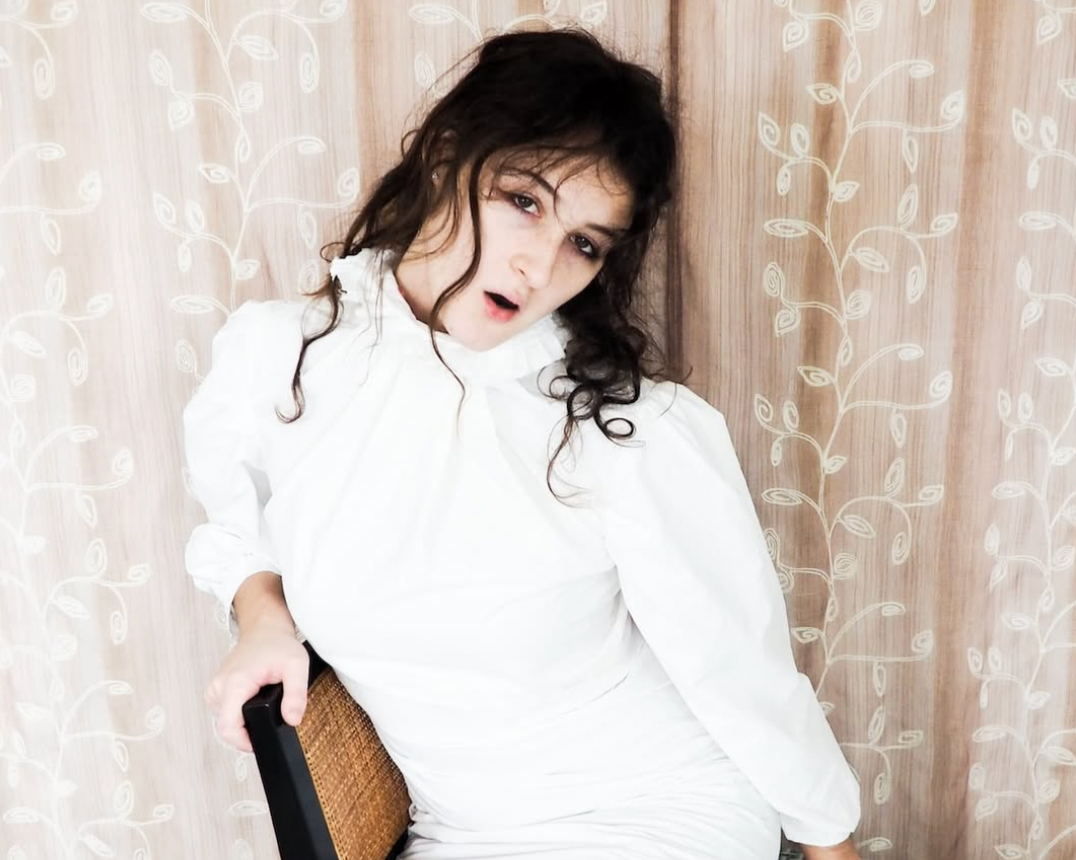
Surrounded by a world of constant tension and grief, alt-rock artist Lily of the Sea finds a way to channel these intense feelings into empowerment in her debut album, Slow Violence. Inspired by artists' imperfections and commitment to being themselves, Lily brings a refreshing and authentic feel to the alt-rock scene and is unapologetically herself.
When asked the meaning of Slow Violence, Lily shared that the title originally came from a book, Slow Violence and the Environmentalism of the Poor by Rob Nixon. "I was captivated by his argument that structures of oppression and the material reality of climate change demand a reworked understanding of 'violence' as a concept. Our culture values visibility and immediacy of harm in identifying violence. Yet instances of violence range as wide as from industrial chemical pollution of ecosystems, to divisive online narratives, to increasing degradation of human rights. Such incremental yet persistent tragedies characterize a seeping social poison that accumulates to feelings of overwhelm, alienation, and disempowerment."
Life On Jupiter had the pleasure of sitting down with Lily of the Sea for an in-depth conversation about Slow Violence, the inspirations behind her sound, what fuels her creative process, and much more.
LIFE ON JUPITER: Your sound brings back an era of powerful female rock, who are some of your musical influences?
LILY: I am really inspired by grunge and alternative rock music; I find such beauty and truth in the artist's raw bravery to be ugly and imperfect. This push against the expectation of perfection by Hole, Fiona Apple, PJ Harvey, Mia Zapata, L7, and Veruca Salt, among others, was liberating to discover as a teenager and definitely formed my sound. I also love the force and passion of classic rock singers like Stevie Nicks and Janis Joplin.
What's the ideal setting for listeners to listen to the album?
LILY: When feeling overwhelmed, disempowered, and powerless. I really hope to create an atmosphere of catharsis and reflection throughout the duration of the album. The setting I envision for listeners is similar to the one I experienced with records like Hole’s Live Through This or Pearl Jam’s Ten, inside the proverbial teenage bedroom, burned on a CD or a video of a live show.
First three words that come to mind when you think of your music?
LILY: Tension, catharsis, fluidity.
Since the album touches on heavy topics, were there any songs on the album that felt challenging to complete?
LILY: By the point of recording, the songs were almost completely developed; some of them having existed for five years already. I often write when I feel overwhelmed as a means to process or grapple with various tensions, so I would honestly say that writing and building the songs actually felt therapeutic as opposed to challenging (at least lyrically). On the technical side, absolutely. Recording music is a completely different process than playing live. I definitely stumbled at the beginning before getting the hang of it. I was lucky to work with an awesome producer, Franklin Rice, who has a lot of knowledge about the process and truly helped me out.
The album ends with "Again". What final note do you hope this track leaves on listeners?
LILY: I wanted to end the album with a song that felt like a resolution, but at the same time presented the cyclical nature of the feelings I address throughout the rest of the album: climate grief, disempowerment, estrangement, and the female experience. Thematically, I was inspired by the ouroboros – a popular mythological depiction of a snake eating its own tail as a symbol of accumulation and perpetuity – which can be spotted in the bottom right corner of the album cover. In the song’s structure is a more typical verse-chorus-verse which becomes disrupted by a dissonant, chanting bridge that itself resolves into an ultimate swelling and release. I wanted to create a representation of feeling all of the earlier 45 minutes of the album at once, then letting go.
You recently played an album release show. What was that experience like being able to play those songs live together for the first time?
LILY: It was really amazing! I am so grateful to have such an incredible live band who infused the songs with the vitality that I sought to capture in the studio. The recording process feels very fragmented in comparison. It was really special to present the album from beginning to end as a connected body of work. We are looking forward to playing many more shows in the future!
What drives you to make music?
LILY: Music has an incredible energy that is wholly unique from other artistic mediums. When playing music or even just listening, often you can feel it in your body. The DIY ethos of punk/indie rock music invited participation in a way I had never experienced with other genres. Specifically grunge music is hugely inspiring to me; I find such beauty and truth in the artist's raw bravery to be 'ugly' or imperfect. I am driven to make music because of the catharsis of physically embodying what feels to be pure emotion, and in doing so hope to continue a legacy of artistic empowerment.