Q&A: “Please Don’t Hate Me For This”: Talking Vulnerability and Process with Jess Ball
WRITTEN BY RAFFAELLA VOGT
✮ ⋆ ˚。𖦹 ⋆。°✩
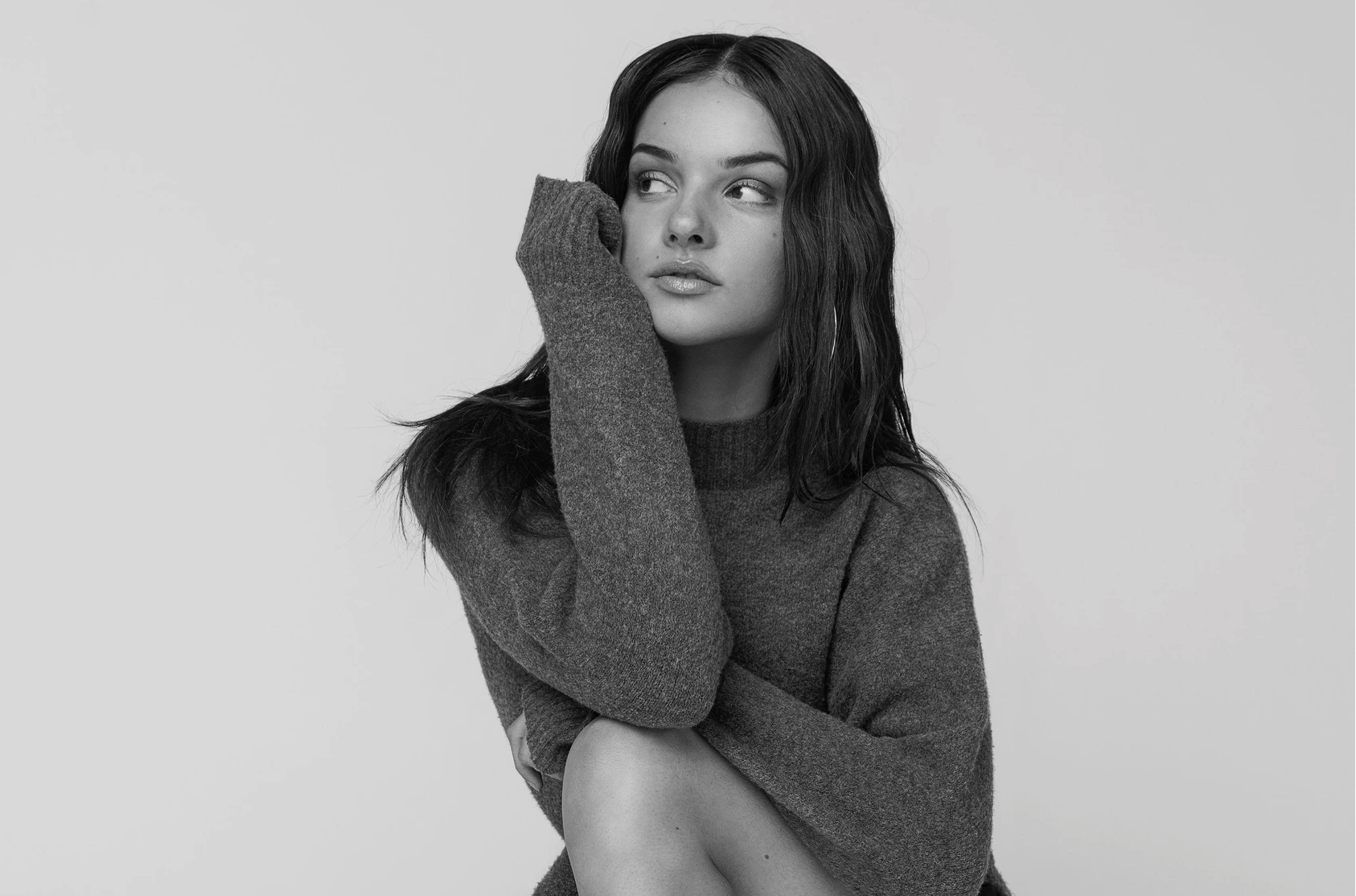
Genre-hopping singer-songwriter Jess Ball is only getting started. The Aussie native released her newest single, “Please Don’t Hate Me For This,” in October, jumping headfirst into her new sound and creative mindset.
Jess’ creative pursuit began in 2009 when she was just 11 years old. Since then, she has been sharpening her skills and experimenting across genres, working primarily in EDM, and has provided vocals for internationally acclaimed producers. Now, Jess has finally settled on creating her own projects and sound, starting a new chapter in her already extensive musical journey.
In our chat with Jess Ball, we discussed her new project, her mindset, emotions, and how she crafts the core of her sound.
LIFE ON JUPITER: What was the songwriting process behind “Please Don’t Hate Me For This”? Since it’s about experiencing an outpouring of your emotions, do you use songwriting to process your emotions or to get them out into the world?
BALL: I can’t write while in a good place, mentally. I feel things really intensely, and when it comes to sitting down to write, I usually take things from days when I’m not feeling my best and work out my emotions during the process. It’s both a way to process them and get them out into the world. Once you speak emotions into existence, it’s easier to cope and deal with them. It’s therapeutic.
When you sit down to write a song, how do you decide what emotion or experience you want to write about?
BALL: I tend to work purely off the emotions I felt at the time. It’s easy to draw from how I’m feeling and see what comes from that. In the past, I’ve found it harder to work with people who already have an idea or a direction for the song. Having a theme they want the song to be about makes it harder to go from and find ideas to write about. I’ll write that way sometimes, but it won’t be as natural as working with my personal emotions and how I’m feeling at the time.
I noticed that you’ve worked with a lot of EDM producers before, and “Don’t Hate Me For This” sounds completely different from that style. What’s the songwriting process like when working with EDM producers or artists?
BALL: That’s a great question. When working with producers, the track is one that they already have and pass off. I don’t find it as difficult to come up with what to write since the mood is set by the instrumentals, and I can kind of vibe off of what’s given. Sometimes, there’s nothing to work off of when I’m given an instrumental. They’ll have a theme or idea like “party at a pool”, and that’s all we’ll have to go from. When they give a little bit more description, that usually makes it easier to get things rolling.
What’s the difference between working with EDM producers and working on your solo project?
BALL: Working on the EDM stuff definitely made me feel more spontaneous with what I was writing. There was more variety across the board. With my solo stuff, it’s more of I want to be versatile, I want to push what I can do. When working on EDM projects, every day would be different. I was never sure what the new vibe or instrumental would be. As for my solo project, it holds more meaning to work on my own music and see that take shape.
You’ve cited Olivia Dean and Massive Attack as inspirations. How do their sounds or elements of their artistry manifest in your music and visual style?
BALL: Everyone’s music is influenced by what they’re listening to. By listening to these artists, the melodies that I create naturally gravitate towards a similar vibe or sound. When it comes to my personal creative process, if I haven’t written something already on my guitar or something rough recorded as a voice memo, I’ll work with Richie and go through songs I’ve been listening to throughout the week. I might like the synths from one song and the key from another. From there, we’ll take those inspirations and work them into how we’re feeling creatively that day.
For “Please Don’t Hate Me For This,” did you have inspiration or ideas going into the creative process, or did it come together while you were writing and producing the song?
BALL: “Please Don’t Hate Me For This” actually started as a voice memo I recorded in my bedroom. I had been listening to a lot of Royel Otis around that time, so I feel like that kind of bled into my vision for the song. I wanted to go for that band vibe. I took it into the studio, and we started to play around with it. At first, we worked acoustically and then added onto it from there. For other inspirations, I love old school rap. I sang over a sample and used that as a starting point. Overall, you can hear a bit of a hip-hop influence and some Royel Otis from the acoustic guitar.
I wanted to hear a little more about the emotions you were channelling. Are there any events or conversations you’ve had with people in your life that encouraged you to write about those emotions, or was it something you felt you needed to get out?
BALL: Recently, I’ve been feeling stressed in terms of what I’ve been doing and what the next step is. It’s the kind of time when even little things start to piss you off, and it’s all about keeping calm. Keeping it under the surface is easy to do, but it’s not good to suppress your emotions because that doesn’t end well. I find that the people who love me most and that I feel comfortable around take the brunt of the negativity. It’s hard to stay focused when nothing’s working, and everything feels like it’s going crazy, but I channel that energy into my creative process and put it somewhere external to help with that.
How do you approach being vulnerable in your music?
BALL: By sacrificing a part of your vulnerability and putting it out there. Expressing my concern with family also helps before I put my emotions on record. It’s also important to separate my personal self from my music self. Feeling comfortable in terms of writing a song and how it comes out, and then realizing that everyone is going to hear it, is always interesting. I think about what people are going to take from it and how they’re going to read into it. I get anxious when it comes to thinking about the output, but in the moment, I just don’t think about it. Sometimes I do think “is it a song worth copping the flack from everyone else?” and if I’m proud of it.
What are your favorite Olivia Dean songs? Which one has inspired you the most?
BALL: I actually haven’t been listening to her much recently, but my two all-time favorites of hers are “Messy” and “Hardest Part”. I would say “Hardest Part” inspired me the most out of her songs.
Have you taken any elements of EDM and implemented them into your solo records and more recent projects?
BALL: I tend to keep the two separate, but I take a lot of what I’ve learned from EDM and apply that to my own writing, just by nature. With the EDM stuff, it’s shown me how to be collaborative. I have some collaborations with hip-hop artists and other singer-songwriters coming out soon, so my past work has helped with the process rather than it being an awkward experience. Things tend to come more naturally, and I end up creating something I’m prouder of than if I were working on my own.
Where do you see your career going after the release of “Please Don’t Hate Me For This”?
BALL: We’re just going to keep pumping out singles and hope to go places and play the songs. I love performing, and it would be a dream to tour the world and play the songs I’m proud of. I’d also like to work with more people and broaden my creative horizons.
Who would be your dream collaboration?
BALL: If I had to choose, definitely Royel Otis and maybe Cigarettes After Sex. I was playing a song of theirs the other day in the car, and my friend asked, “is this you”? So I think our sounds would work really well together and make for something interesting.
Do you have a message you’d like to share with new fans or anyone unfamiliar with your music?
BALL: Music is all about expressing yourself and telling a story. It doesn’t have to stick to a certain genre or focus on one thing. It’s about how you feel in the moment and should be experimental. Music should be whatever you want it to be.